
Choosing the right fabric for your boat upholstery is crucial for both aesthetics and longevity. The marine environment presents unique challenges, from harsh sunlight to saltwater exposure, making fabric selection a key decision for any boat owner. Understanding the properties of different materials and their suitability for marine applications is essential to ensure your boat seats and upholstery not only look great but also withstand the rigors of life on the water. Keep reading to learn more from Blue Marlin Upholstery Design in South Florida.
Understanding Marine Fabric Properties
Marine fabrics are specifically designed to resist fading, moisture, and mildew. Unlike regular fabrics, they are treated to withstand the harsh marine environment. Key properties to consider include:
UV Resistance: Prolonged sun exposure can cause fading and degradation. Look for fabrics with high UV resistance to maintain color and integrity.
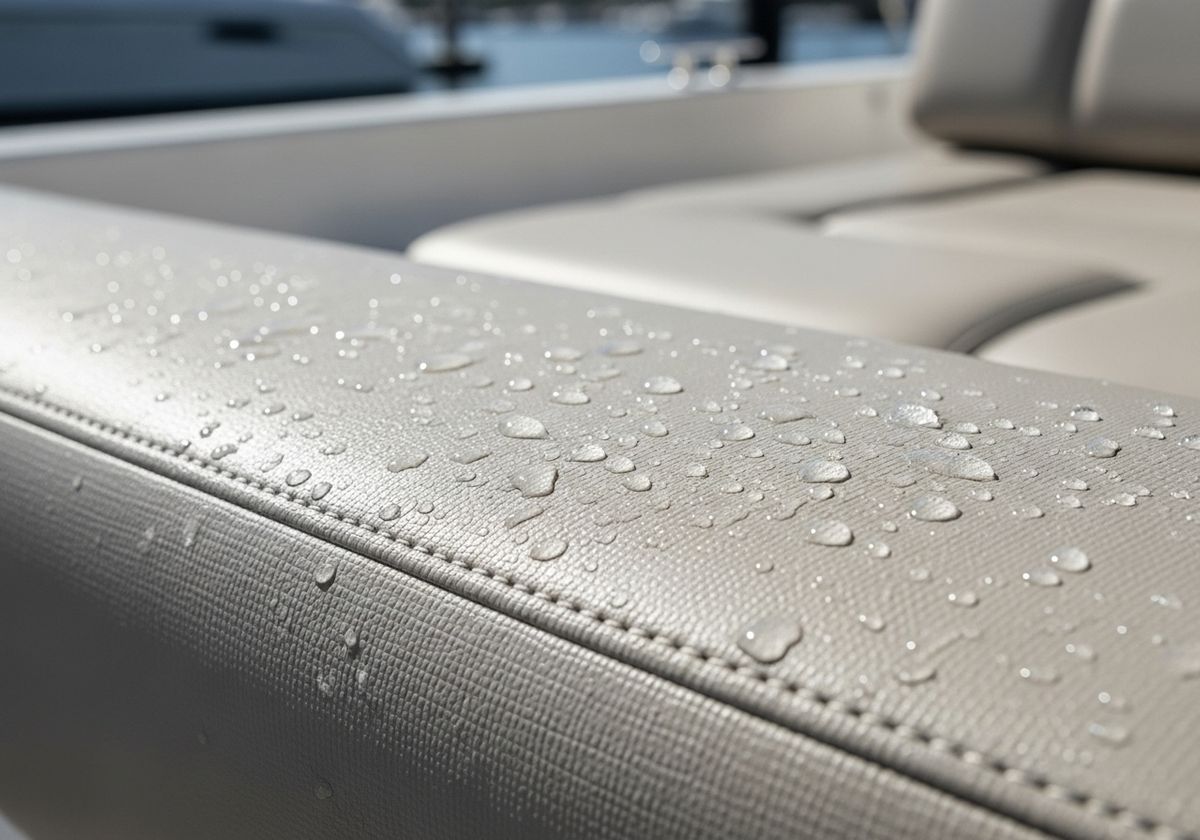
Water Resistance: The fabric should repel water to prevent saturation and potential damage.
Mildew Resistance: Marine environments are prone to mildew growth. Choose fabrics treated to resist mildew and mold.
Abrasion Resistance: Durability is key, especially for boat seat upholstery. Select fabrics that can withstand regular use and wear.
Types of Marine Fabrics
Several types of fabrics are commonly used in marine upholstery, each with its own set of advantages:
Marine Vinyl Fabric: Known for its durability, water resistance, and ease of cleaning, marine vinyl is a popular choice for boat seats and upholstery. It comes in a variety of colors and textures, making it versatile for different boat styles.
Polyester: Polyester fabrics are resistant to stretching, shrinking, and fading. They are also easy to clean and maintain, making them a good option for boat interiors.
Acrylic: Acrylic fabrics offer excellent UV resistance and are often used for boat covers and awnings. They are also water-repellent and resistant to mildew.
Factors to Consider When Choosing Fabric
When selecting the right fabric for your boat seats and upholstery, consider the following factors:
Boat Type and Usage: The type of boat and its intended use will influence your fabric choice. For example, a high-speed boat may require more durable and water-resistant fabrics than a leisurely pontoon boat.
Budget: Marine-grade fabrics can vary in price. Set a budget and explore options within your price range, balancing cost with quality and durability.
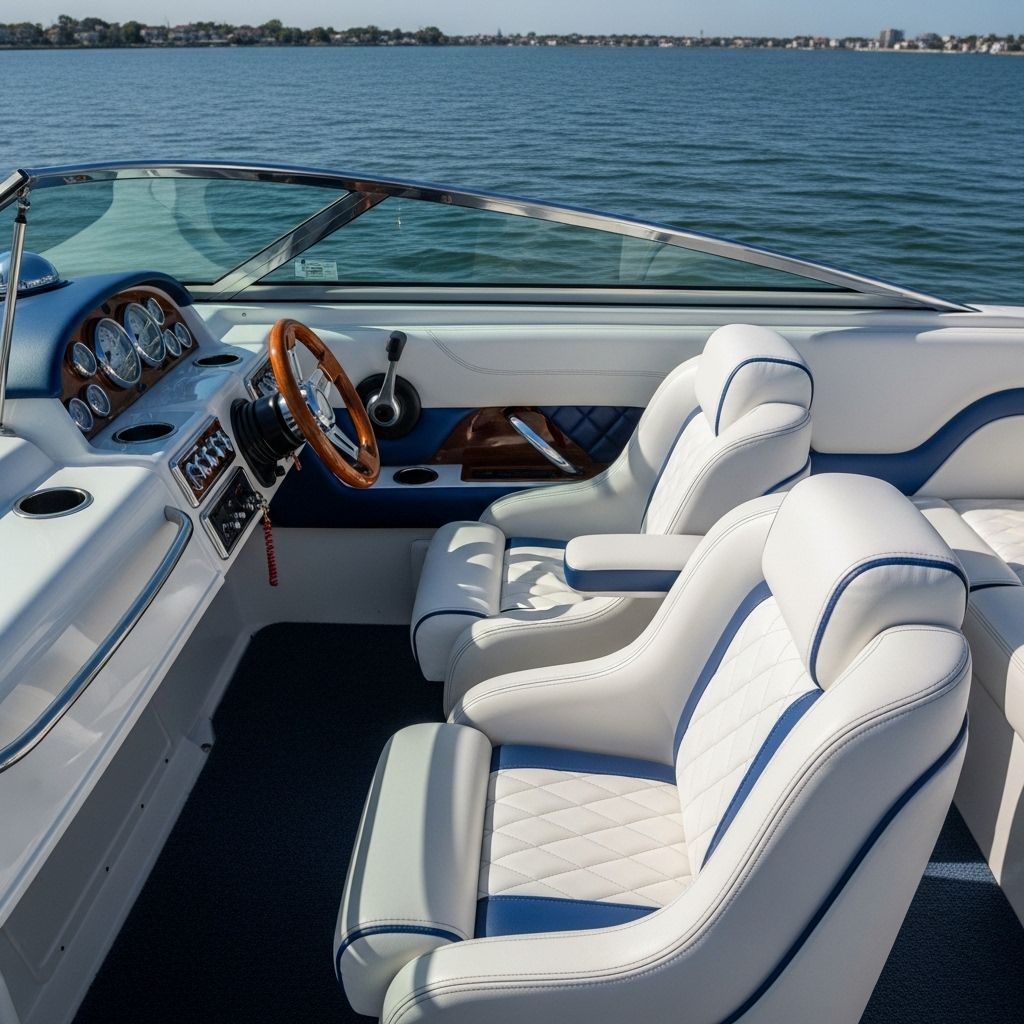
Aesthetics: Choose fabrics that complement your boat's style and color scheme. Consider the overall look and feel you want to achieve for your yacht's luxury interior.
Maintenance and Care
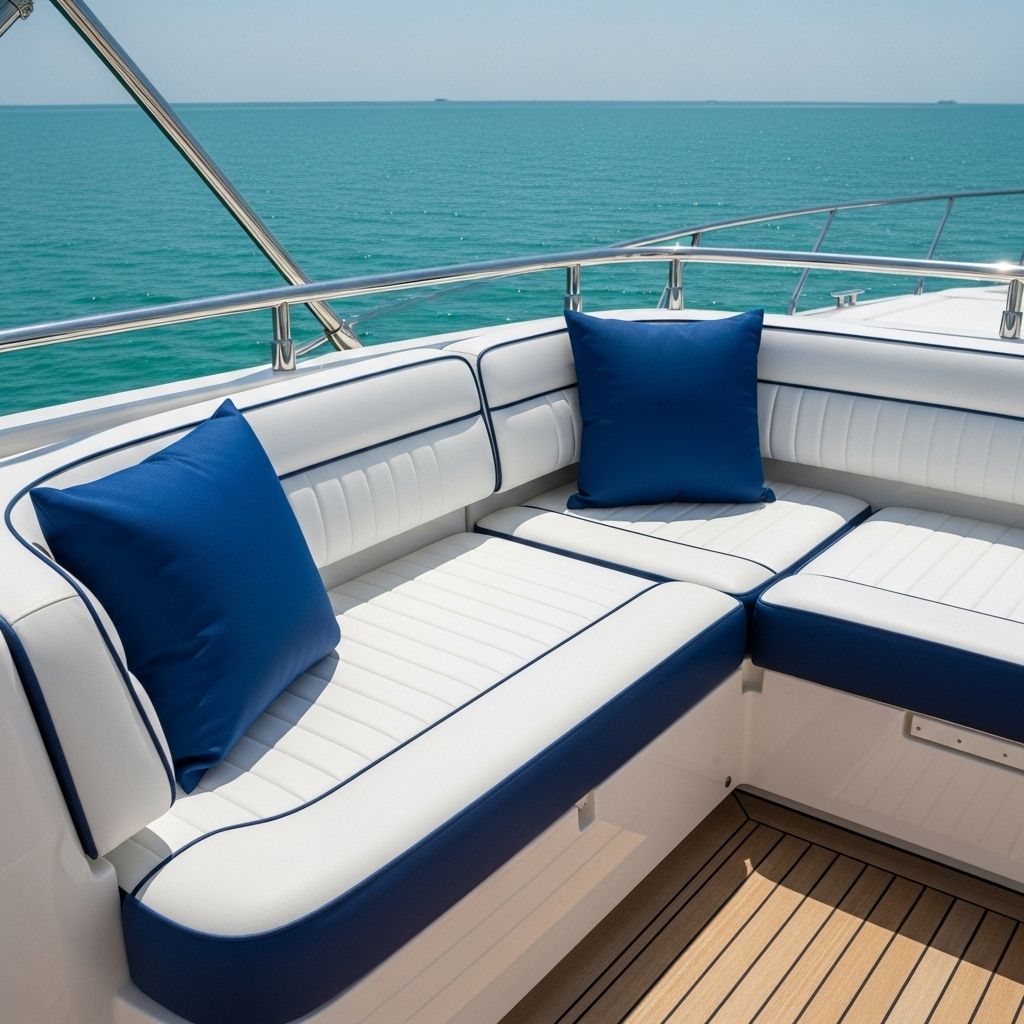
Proper maintenance is essential to prolong the life of your boat upholstery. Regular cleaning with mild soap and water can prevent dirt and grime buildup. Avoid harsh chemicals and abrasive cleaners that can damage the fabric. Store your boat properly during the off-season, using covers to protect the upholstery from the elements.
Selecting the right fabric is an investment in your boat's comfort, appearance, and longevity. By understanding the properties of different materials and considering your specific needs, you can make an informed decision that will enhance your boating experience for years to come. At Blue Marlin Upholstery Design, we distinguish ourselves through a commitment to honesty, accountability, and superior quality in the marine upholstery business. We invite you to explore our projects and contact us for a free quote.