
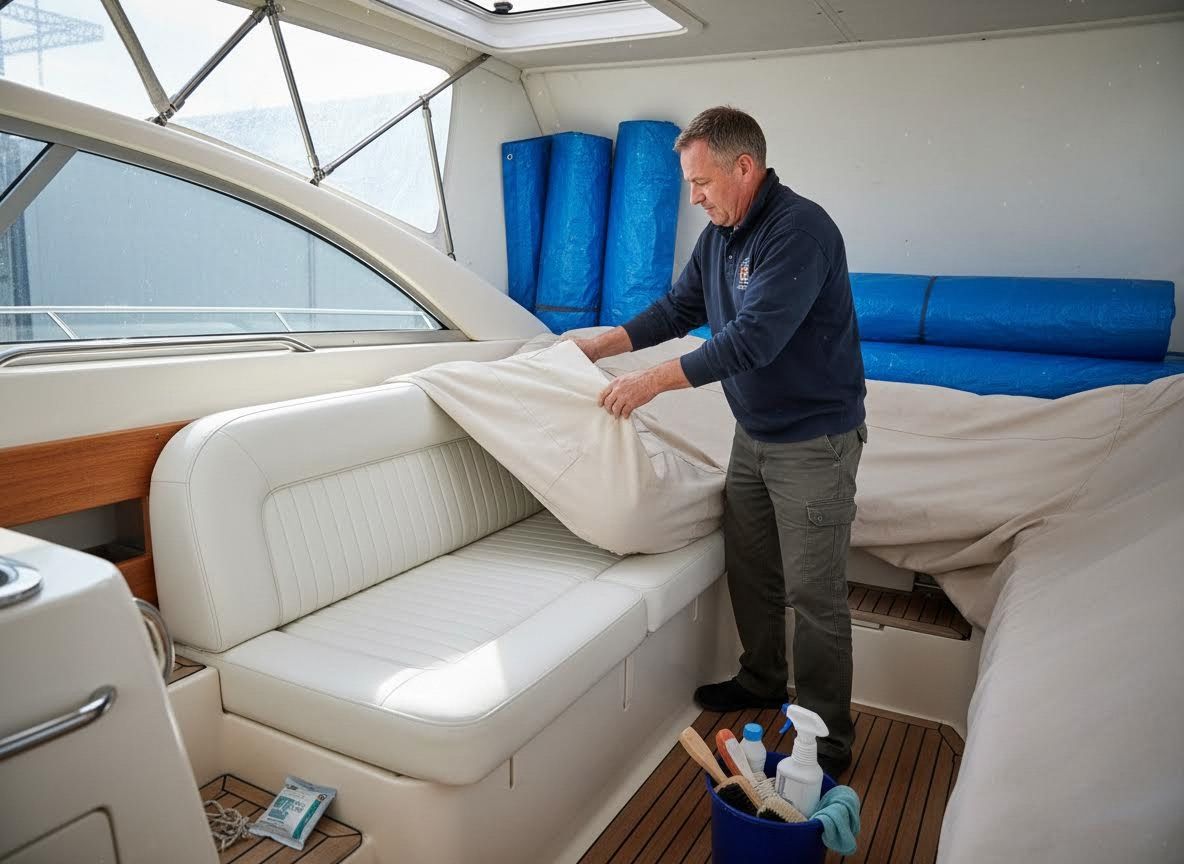
As the boating season winds down, many enthusiasts turn their attention to proper winterization. While engine maintenance and hull protection are often top of mind, the longevity and aesthetic appeal of your vessel's interior depend significantly on how well you protect your marine upholstery during the colder months. Neglecting this crucial step can lead to costly repairs and diminish the overall beauty of your boat, an investment Blue Marlin Upholstery Design INC understands needs to last for years to come.
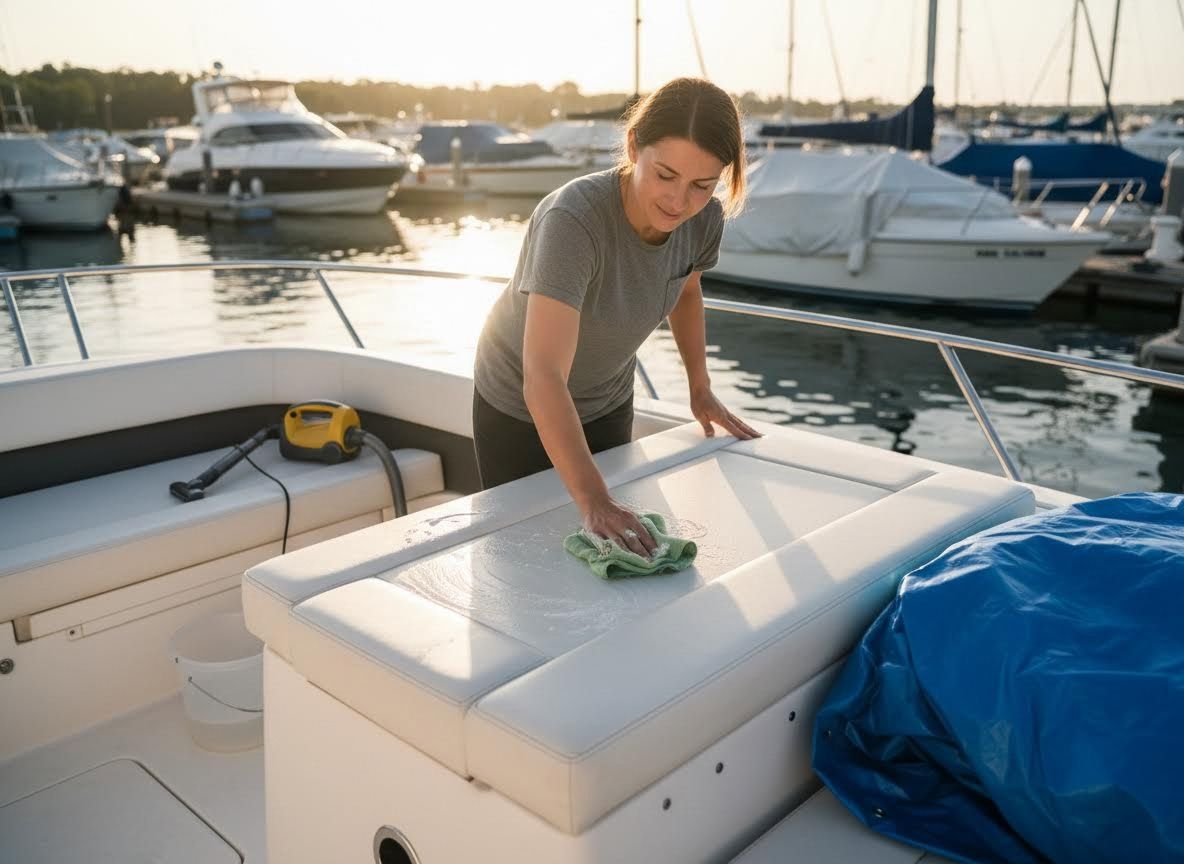
Thorough Cleaning is Your First Line of Defense
Before storing your boat, a comprehensive cleaning of all upholstery on boats is paramount. Salt, dirt, sunscreen, and food residues left on surfaces can attract pests, promote mildew growth, and even stain the material permanently. Begin by vacuuming all cushions and crevices to remove loose debris. Follow this with a gentle cleaning solution suitable for your specific upholstery material. For fabric marine vinyl, use a mild soap and water solution, wiping down thoroughly and then rinsing with clean water. Ensure all surfaces are completely dry before proceeding; even a small amount of moisture can become a breeding ground for mold during storage.
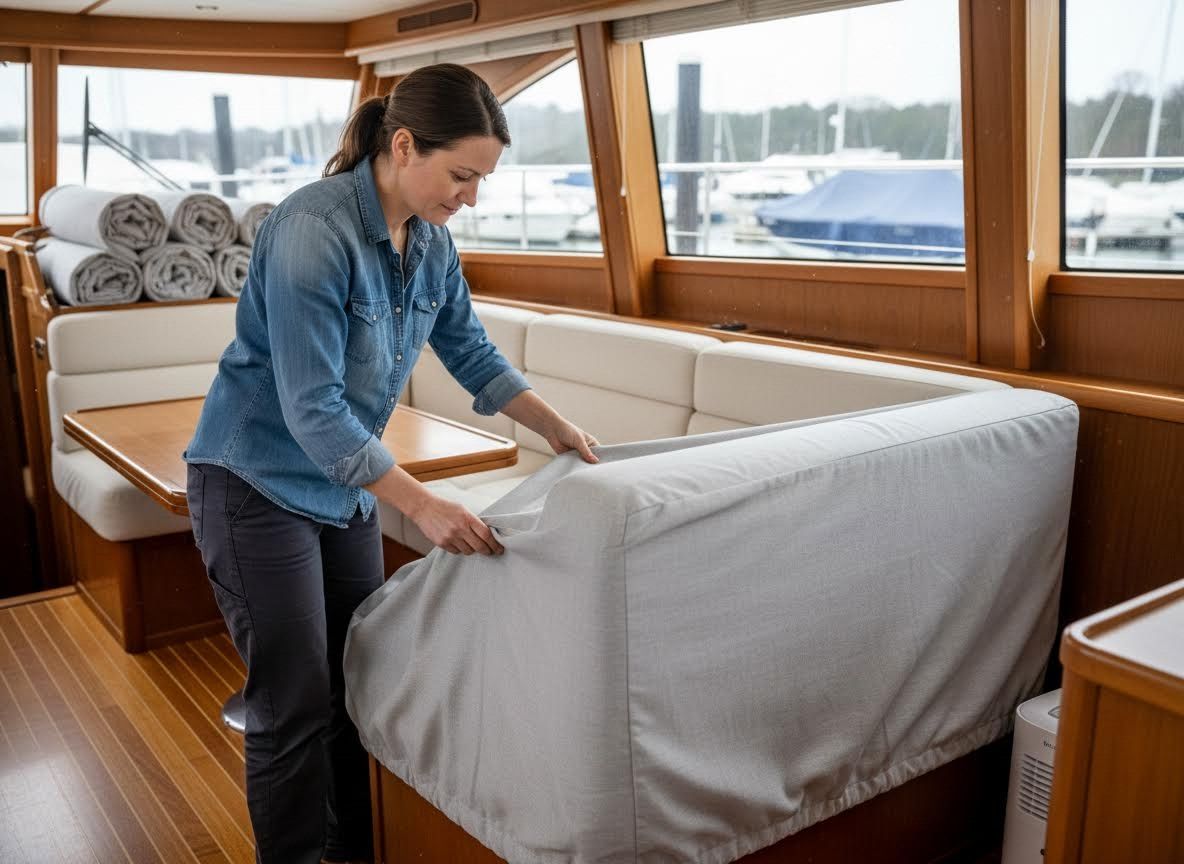
Choosing the Right Protection and Covers
Once clean and dry, providing adequate protection for your yacht luxury interior is the next step. Invest in high-quality, breathable covers for your cushions and other upholstered elements. Avoid using non-breathable plastic tarps directly on upholstery, as these can trap moisture and humidity, leading to mildew and degradation. Custom-fit covers offer the best protection, shielding against dust, UV exposure (even in storage), and incidental damage. For particularly valuable or delicate pieces, consider removing them from the boat and storing them in a climate-controlled environment. This proactive approach ensures your boat upholstery remains in pristine condition.
Optimizing Your Storage Environment
The environment in which your boat is stored plays a critical role in preserving its marine upholstery. Ideally, choose a storage location that is dry, well-ventilated, and protected from extreme temperature fluctuations. If storing outdoors, a full boat cover that allows for air circulation is essential. Inside the boat, elevate cushions slightly to allow air to circulate underneath, preventing moisture buildup on the deck or bulkhead. Consider using moisture absorbers in enclosed spaces to control humidity levels, especially if your boat is stored in a humid climate or a tightly sealed area. Proper management of the storage environment is key to maintaining the integrity of your upholstery for boats near me.
Periodic Inspections for Peace of Mind
Even with the most meticulous winterization efforts, periodic checks during the off-season can prevent minor issues from becoming major problems. Every few weeks or months, depending on your storage situation, inspect your boat's interior. Look for any signs of moisture, mildew, or pest activity. Check the condition of your covers and ensure they are still providing adequate protection. Address any concerns immediately. A small spot of mildew caught early is much easier to clean than a widespread infestation, ensuring your boat upholstery is ready for the next season.
Protecting your marine upholstery during the off-season is an investment in your boat's future comfort and value. By dedicating time to thorough cleaning, appropriate covering, environmental control, and regular checks, you can ensure that your boat's interior remains as inviting and luxurious as the day it was installed. To explore solutions that can make your winterization process more effective or to discuss upgrades that will elevate your vessel for years of enjoyment, consider consulting with marine upholstery specialists who prioritize quality and longevity.